

We are proud to announce that we have begun work on the second-largest industrial self-consumption project built to date in Spain. The new solar photovoltaic plant, “El Corchito”, with an installed capacity of more than 25 megawatts (MWp) — with 35,820 bifacial solar modules of 700 Wp each — and located in the municipality of Jerez de los Caballeros, will be dedicated entirely to supplying energy to Siderúrgica Balboa, one of the key companies in the Group’s Steel Division.
The infrastructure will be carried out by GES – Global Energy Services –, a company specialising in renewable energy engineering and construction, which also belongs to the corporation, and developed under the EPC model (engineering, procurement and construction). Work began last 19 May with the aim of bringing the plant into operation before the end of the year. The total planned investment in this new photovoltaic installation amounts to more than 14 million euros.
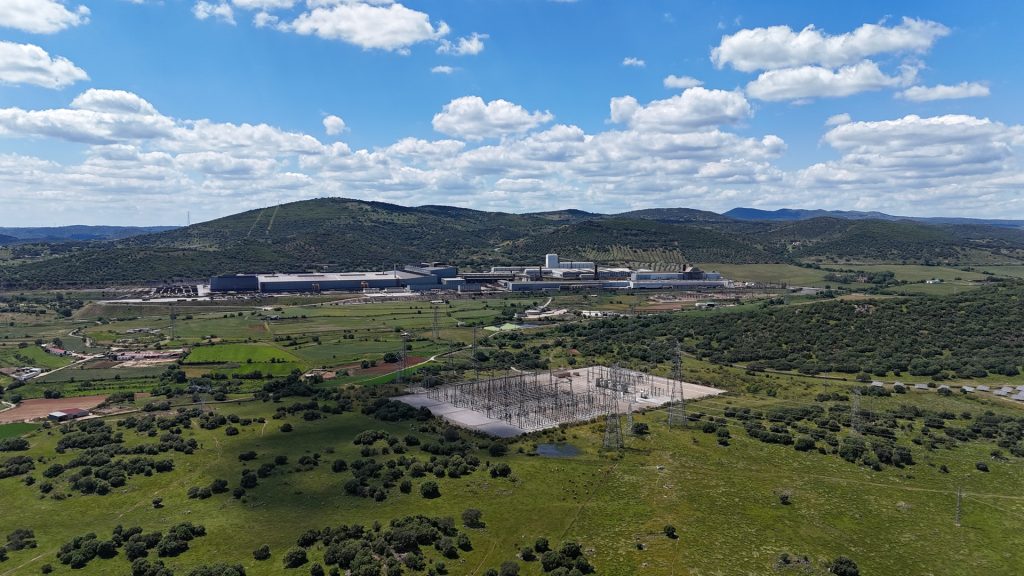
The project, led by our Energy Efficiency Department, marks a new milestone in the Group’s decarbonisation and vertical integration strategy. This clean and stable source of energy will generate estimated savings of €2.5 million per year, reinforcing its long-term competitiveness in a context marked by volatile energy prices. “Our commitment to this project is a clear demonstration of our industrial vision for the future: competitive, sustainable and self-sufficient,” said Miguel Ángel Leal, CEO of our Steel Division. “Having renewable energy generated on site allows us to strengthen the energy independence of our facilities, ensure greater cost stability and make decisive progress towards our climate commitments,” he added.
Synergies driven by our Group’s corporate model
The new plant is also an example of the synergies made possible by our Group’s corporate model, with the active collaboration of three of our companies in its development. From design to technical execution and equipment supply, the project reflects our corporation’s ability to coordinate internal resources and deliver advanced energy solutions within the industrial ecosystem itself.
GES will be responsible for the entire technical execution of the installation, covering both the design and procurement of the main equipment, as well as the civil and electrical works and the direct connection to Siderúrgica Balboa’s busbar. The new self-consumption plant will not feed electricity into the grid, as 100% of the energy produced will be used for Siderúrgica Balboa’s own consumption.
In addition, thanks to this infrastructure, Siderúrgica Balboa will be able to generate close to 10% of its annual energy consumption through solar power, with a utilisation rate of 90% of the plant’s output.
“The project is the perfect example of how we design bespoke solutions to maximise the energy efficiency of all our companies within the Group itself,” explained David Aguilera, the Group’s Energy Efficiency Director. “It is also proof of the synergies enabled by our corporate model, in which different Group companies work together towards a common goal,” he added.
This project forms part of our corporation’s 2025–2027 strategic plan, which includes major investments in sustainability and energy efficiency across all its divisions.
The construction of the El Corchito solar photovoltaic plant, carried out under the project entitled ‘Towards a Sustainable and Competitive Steelworks: Decarbonisation Strategy at Balboa’, is funded by the NextGenerationEU Recovery, Transformation and Resilience Plan, financed by the European Union and managed by Spain’s Ministry of Industry and Tourism.
Commitment to biodiversity
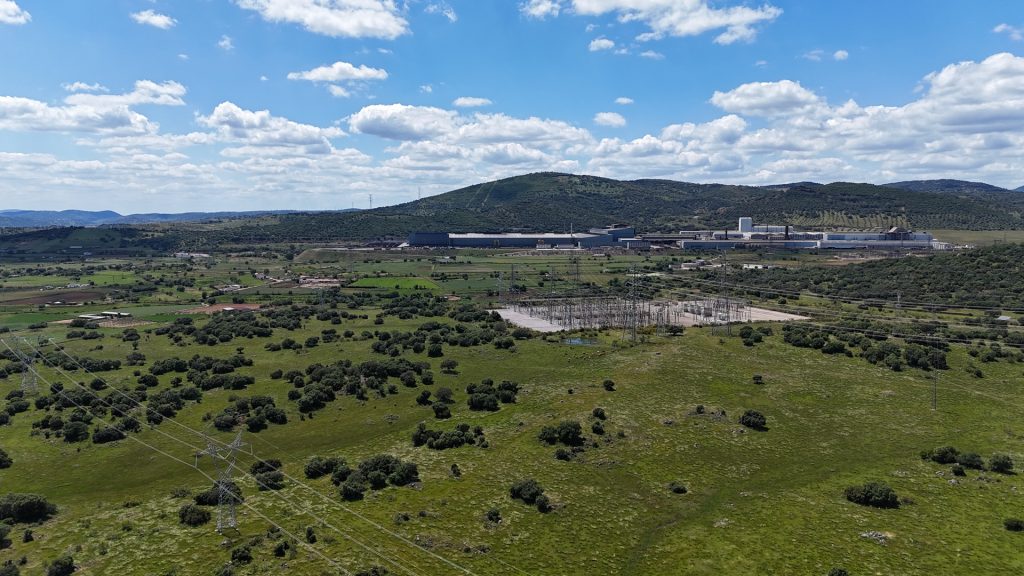
In line with our commitment to the environment, the project has been designed to minimise environmental impact and contribute to the preservation of local biodiversity. Planned measures include the installation of shelters for reptiles, nesting boxes for lesser kestrels and bats, as well as ponds intended to encourage the presence of the black stork, a protected species in the area. The plant will also include game-proof fencing and other measures focused on protecting wildlife throughout the entire life cycle of the installation.